
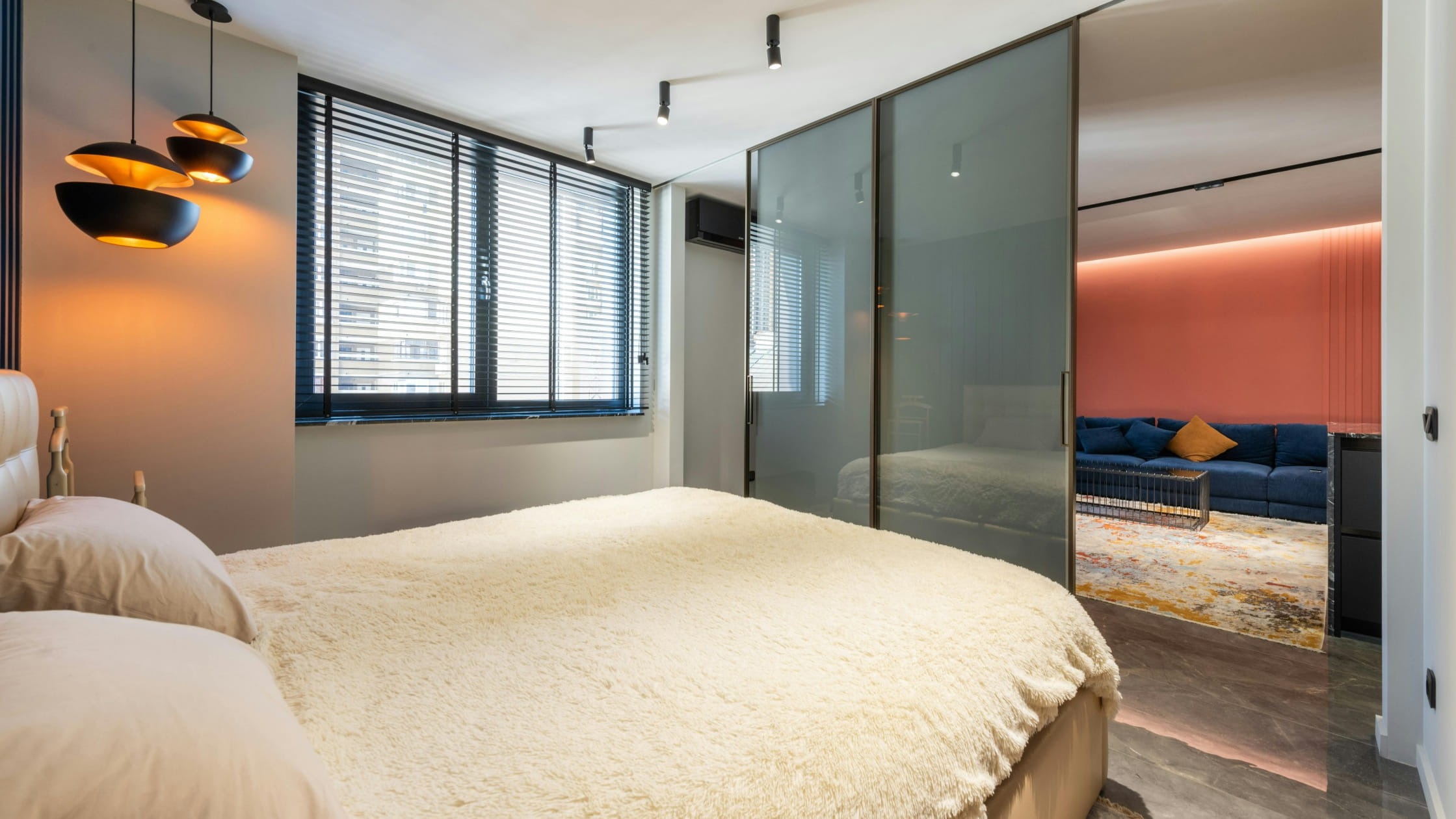
Types of Glass for Interior Design: A Complete Guide for Residential Homes
Glass has become one of the most versatile materials in modern residential interiors. Beyond windows, different types of glass are now widely used in bathrooms, kitchens, wardrobes, partitions, staircases, and balconies. Each glass type is designed with specific properties related to safety, privacy, durability, light control, and aesthetics.
Choosing the wrong glass can result in privacy concerns, safety risks, higher maintenance, or long-term dissatisfaction. Understanding the types of glass for interior design helps homeowners make informed decisions based on functionality rather than appearance alone.
How to Choose the Right Type of Glass for Home Interiors
Before selecting glass, homeowners should evaluate how the space will be used daily. Wet areas require moisture resistance, bedrooms need privacy, and high-traffic zones demand safety-rated glass. Factors such as sunlight exposure, noise levels, ease of maintenance, and the presence of children or elderly family members also play an important role.
When these aspects are considered early, selecting the correct glass type for each part of the home becomes both practical and cost-effective.
Core Types of Glass for Interior Design
Clear Glass
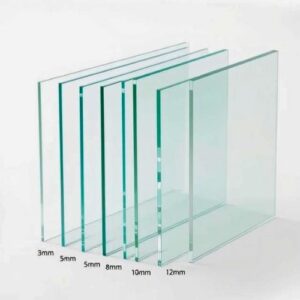
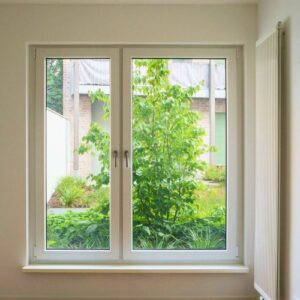
Clear glass, also known as float glass, is manufactured by floating molten glass over molten metal to achieve a smooth, uniform surface. It allows maximum light transmission and creates visual continuity between spaces, making interiors feel open and spacious. Clear glass is commonly used in modern homes where openness and brightness are a priority.
Common Uses in Homes: Living room partitions, dining area dividers, display cabinets, table tops, and internal doors. It is often used in glass partitions in residential interiors to define spaces without blocking light.
Advantages: Enhances natural light, creates openness, suits contemporary layouts.
Limitations: Offers no privacy and requires frequent cleaning to maintain clarity.
Frosted Glass
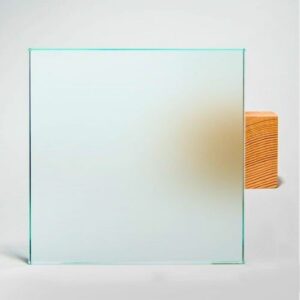
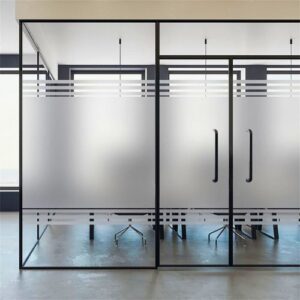
Frosted glass is created by etching or sandblasting clear glass to produce a translucent surface that diffuses light while blocking direct visibility. It provides privacy without compromising brightness and is particularly useful in areas where visual separation is required.
Common Uses in Homes: Bathrooms, shower enclosures, wardrobe shutters, bedroom partitions. It is widely used in glass shower enclosures in bathrooms.
Advantages: Balances privacy and light, hides fingerprints and water marks.
Limitations: Does not allow transparency or open views.
Toughened (Tempered) Glass
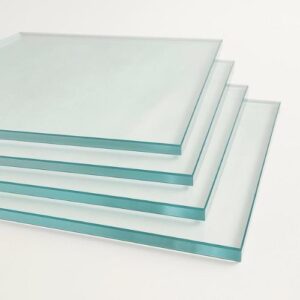

Toughened glass undergoes controlled heat treatment to significantly increase its strength. When broken, it shatters into small blunt fragments, reducing the risk of injury. It is an essential safety glass in residential interiors, especially in high-risk areas.
Common Uses in Homes: Shower enclosures, staircase railings, balcony railings, large doors, and partitions. It is commonly used in glass railings for staircases and balconies.
Advantages: High strength, safety-compliant, durable.
Limitations: Cannot be repaired once broken and must be replaced completely.
Laminated Glass
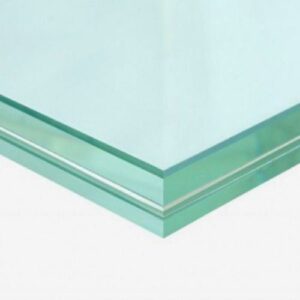
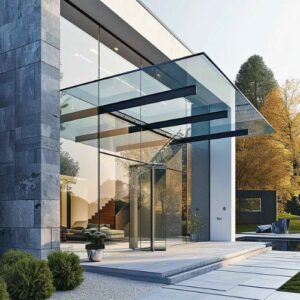
Laminated glass consists of multiple glass layers bonded together with an interlayer that holds fragments in place even if the glass cracks. This construction improves safety, security, and noise reduction, making it suitable for homes requiring higher performance glass.
Common Uses in Homes: Large partitions, balcony enclosures, noise-sensitive rooms, homes with children.
Advantages: Enhanced safety, sound insulation, UV protection.
Limitations: Heavier and more expensive than standard toughened glass.
Tinted Glass
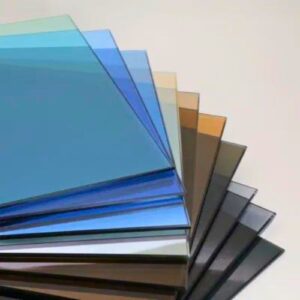
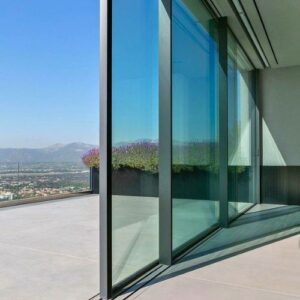
Tinted glass is produced by adding metal oxides during manufacturing, giving the glass its colour while reducing glare and heat transmission. It helps maintain indoor comfort in areas exposed to direct sunlight.
Common Uses in Homes: Sun-facing windows, balcony enclosures, selective decorative partitions.
Advantages: Reduces glare and heat, improves thermal comfort.
Limitations: Excessive indoor use can reduce brightness.
Textured Glass
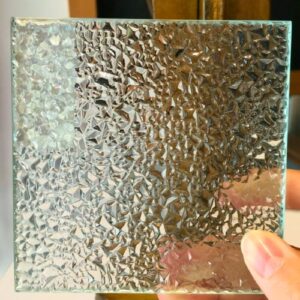
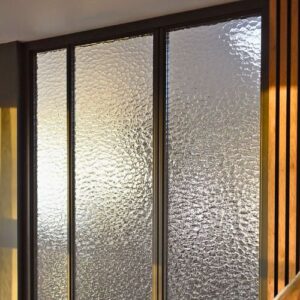
Textured glass features embossed patterns that distort visibility while allowing light to pass through. It combines privacy with decorative appeal and is often chosen for areas requiring subtle visual separation.
Common Uses in Homes: Bathroom windows, internal doors, decorative partitions.
Advantages: Adds privacy and visual interest.
Limitations: Requires more effort to clean due to surface patterns.
Specialised and Decorative Glass Types
Back Painted Glass
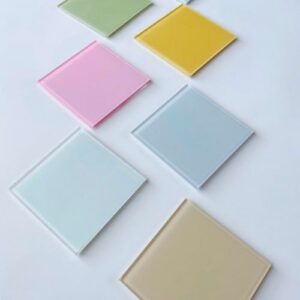
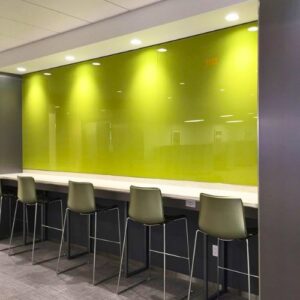
Back painted glass has a coloured coating applied to one side, creating a sleek, glossy finish. It is widely used in modern interiors for its clean appearance and easy maintenance.
Common Uses in Homes: Kitchen backsplashes, wardrobe shutters, TV unit back panels.
Advantages: Moisture resistant, easy to clean, modern look.
Limitations: Colour cannot be changed after installation.
Fluted Glass
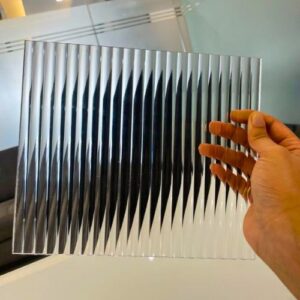
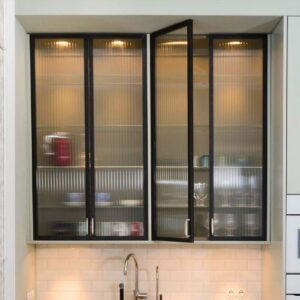
Fluted glass features vertical or linear grooves that partially obscure visibility while maintaining light flow. It has become popular in contemporary homes for its refined aesthetic.
Common Uses in Homes: Living room partitions, wardrobes, entryway dividers.
Advantages: Provides privacy with a modern appearance.
Limitations: Slightly higher cost and cleaning effort.
Digital Printed Glass
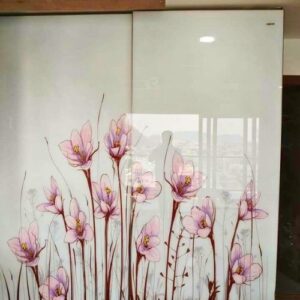
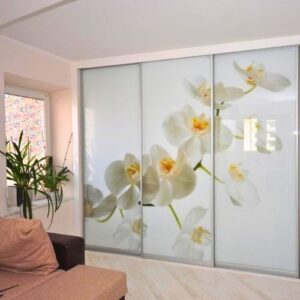
Digital printed glass allows permanent designs to be printed directly onto the glass surface using ceramic inks. It enables high levels of customisation in residential interiors.
Common Uses in Homes: Kitchen backsplashes, feature walls, wardrobe panels.
Advantages: Custom designs, durable prints.
Limitations: Designs are permanent and costly to replace.
Fabric Glass
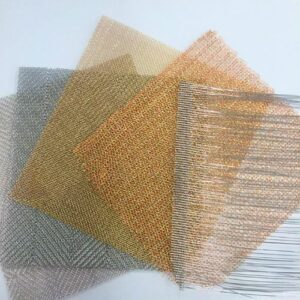
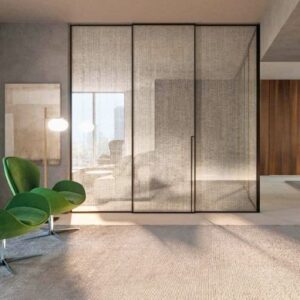
Fabric glass is a laminated decorative glass where a layer of fabric is encapsulated between two sheets of glass. The fabric remains protected from dust and moisture while adding texture and depth to interiors. This glass type combines transparency with textile aesthetics.
Common Uses in Homes: Wardrobe shutters, decorative partitions, feature panels, cabinet fronts.
Advantages: Premium appearance, protected fabric layer, easy maintenance.
Limitations: Higher cost and limited use in wet or high-impact areas.
Acoustic Glass
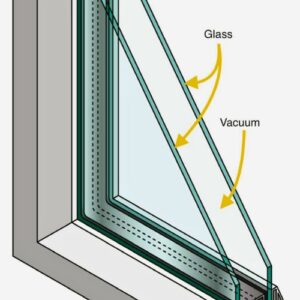
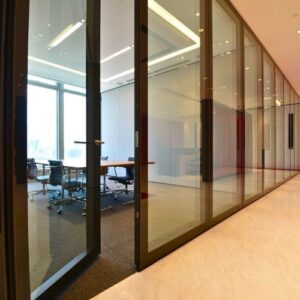
Acoustic glass is designed with layered construction to reduce sound transmission. It enhances indoor comfort by limiting external noise.
Common Uses in Homes: Bedrooms, study rooms, homes near busy roads.
Advantages: Improves noise insulation.
Limitations: Not required in quiet residential areas.
Non-Reflective (NR Work) Glass
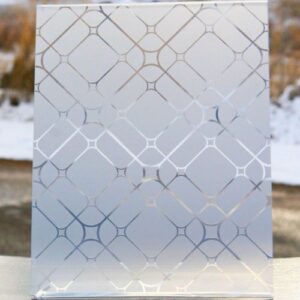
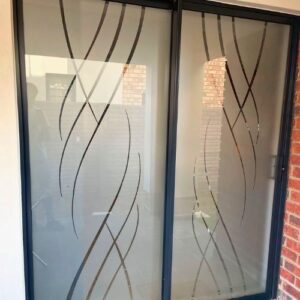
Non-reflective glass minimises glare and reflections, improving visual clarity. It is used selectively in interiors where reflection-free viewing is important.
Common Uses in Homes: Artwork framing, display cabinets, study rooms.
Advantages: Reduces glare and reflections.
Limitations: Limited applications and higher cost.
Magnetic Glass
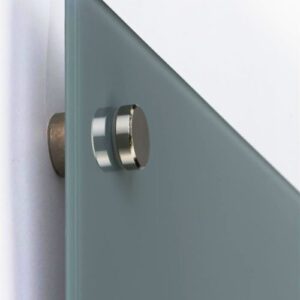
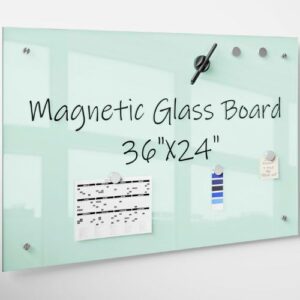
Magnetic glass combines functional use with a clean, modern appearance, acting as an alternative to traditional notice boards.
Common Uses in Homes: Kitchen memo boards, kids’ study areas, home offices.
Advantages: Functional and modern.
Limitations: Niche use with limited design flexibility.
Comparison Table: Types of Glass for Interior Design
| Glass Type | Safety | Privacy | Maintenance | Best Use |
|---|---|---|---|---|
| Clear Glass | Medium | Low | Medium | Living rooms |
| Frosted Glass | High | High | Low | Bathrooms |
| Toughened Glass | Very High | Medium | Low | Railings, showers |
| Laminated Glass | Very High | Medium | Medium | Large partitions |
| Tinted Glass | High | Medium | Low | Sun-facing areas |
| Textured Glass | High | High | Medium | Doors, partitions |
| Back Painted Glass | High | Medium | Low | Kitchens |
| Fluted Glass | High | High | Medium | Partitions |
| Digital Printed Glass | High | Medium | Medium | Feature walls |
| Fabric Glass | Medium | Medium | Medium | Wardrobes, panels |
| Acoustic Glass | Very High | Medium | Medium | Bedrooms |
| NR Work Glass | Medium | Low | Low | Displays |
| Magnetic Glass | Medium | Low | Low | Study areas |
Conclusion
Understanding the types of glass for interior design allows homeowners to choose the right material for each space based on safety, privacy, comfort, and maintenance. No single glass suits every area of the home. The most successful interiors use a thoughtful combination of different glass types to achieve both functionality and aesthetics.
Consulting a glass professional before finalising selections ensures your interior glass solutions remain safe, practical, and future-ready.

Ankit Singh is a content writer and interior solutions specialist at Lumora, based in Indore. He writes about glass solutions, window systems, interior design, and architectural materials with a focus on helping homeowners and professionals make informed decisions. With hands-on exposure to residential and commercial glass projects across Indore, Ankit covers topics including toughened glass, UPVC windows, aluminium systems, glass railings, partitions, and modern interior design trends. His writing combines practical field knowledge with clear, accessible explanations for readers at every stage of their project.