
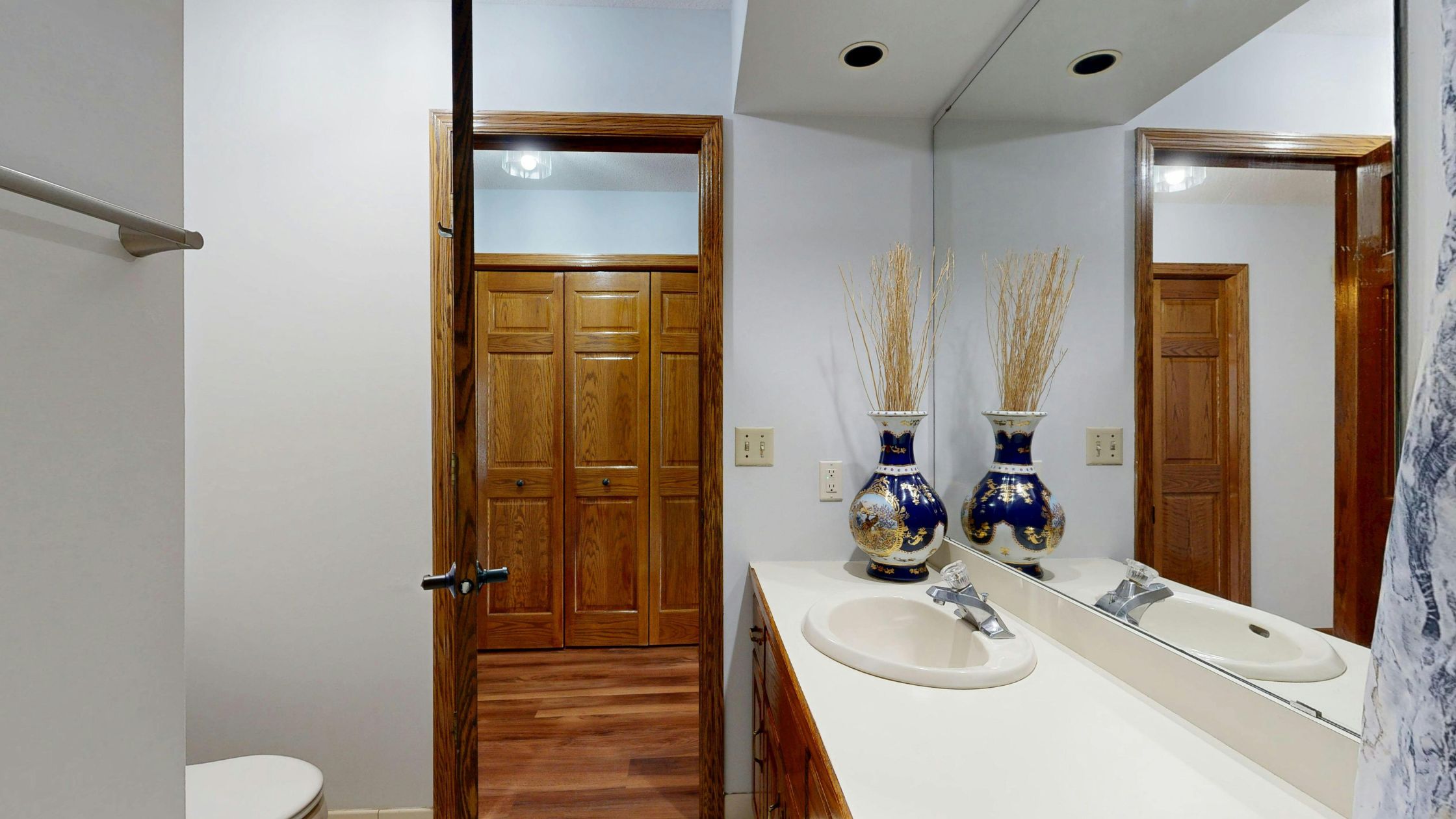
Choosing a bathroom door is often considered a minor decision during home construction or renovation. However, the right door plays a crucial role in maintaining privacy, managing moisture, improving ventilation, and enhancing the overall appearance of your interiors. Many homeowners focus on tiles and fittings while overlooking the importance of understanding how to choose a bathroom door that is both functional and visually appealing.
A well chosen bathroom door improves durability, supports hygiene, and complements modern interior design. This guide explains how to select a bathroom door based on material, space availability, and design preferences so you can make a practical long term investment.
Why Choosing the Right Bathroom Door Matters
Bathrooms are high moisture zones where constant exposure to humidity can damage unsuitable materials. A poorly selected door may warp, develop fungus, lose finish, or affect ventilation.
The right bathroom door ensures proper privacy, allows airflow, resists moisture damage, and contributes to better hygiene. Modern homes increasingly use aluminium, UPVC, and glass solutions because they offer durability and low maintenance advantages.
Types of Bathroom Doors Based on Material
Wooden Bathroom Doors
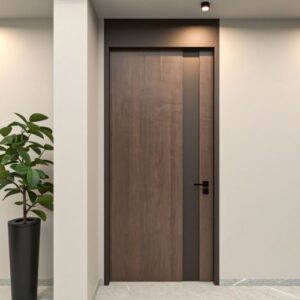
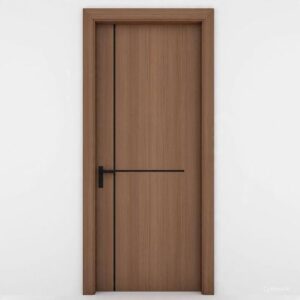
Wooden doors provide a warm and classic look that suits traditional interiors. They are available in various finishes and designs, making them a versatile option for larger bathrooms.
However, wood requires proper waterproof coating to prevent swelling and damage due to moisture. Regular polishing or repainting may also be needed over time.
Best suited for: Spacious bathrooms with good ventilation and limited water exposure.
UPVC Bathroom Doors
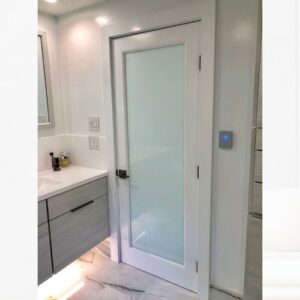
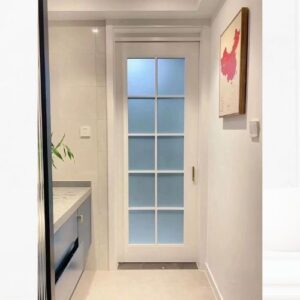
UPVC doors are one of the most practical solutions for modern bathrooms. They are waterproof, termite resistant, and require very little maintenance. This makes them ideal for apartments and compact homes.
When evaluating material performance, homeowners often compare durability insights discussed in UPVC vs Domal windows to understand structural strength and longevity.
Best suited for: High moisture areas, budget friendly renovations, and compact urban homes.
Aluminium Bathroom Doors
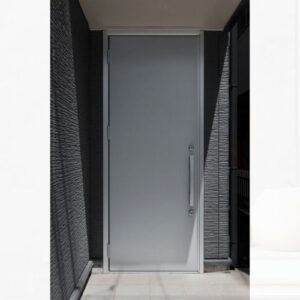
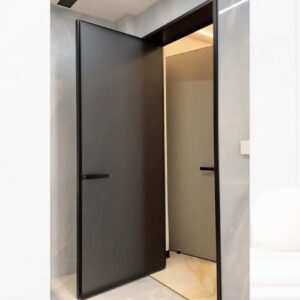
Aluminium doors offer strong structural stability along with a sleek and modern appearance. Their corrosion resistant properties make them suitable for both residential and commercial bathrooms.
They are often combined with glass panels to create contemporary designs that allow light flow while maintaining durability.
Best suited for: Modern homes, offices, and minimalistic interior styles.
Glass Bathroom Doors
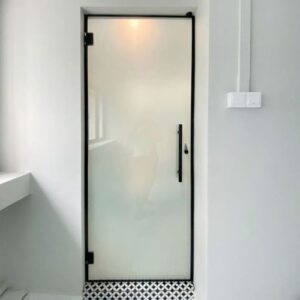
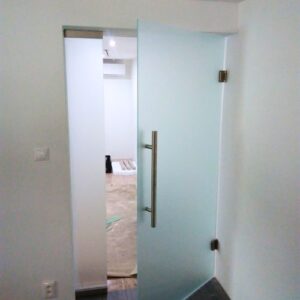
Glass doors create a luxurious and spacious feel in bathrooms. Frosted or textured panels help maintain privacy while allowing natural light to pass through.
Safety is ensured by using toughened glass, which is strong and shatter resistant. Glass doors are also easy to clean and help make compact bathrooms look visually larger.
Best suited for: Premium interiors, modern bathrooms, and shower enclosures.
PVC Bathroom Doors
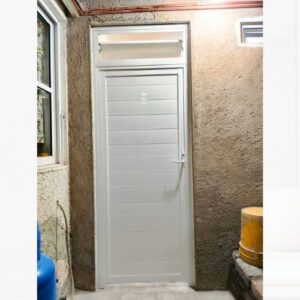
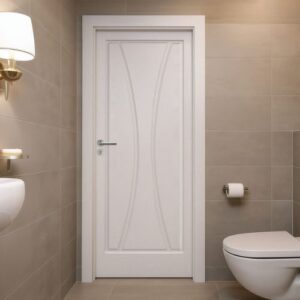
PVC doors are lightweight and economical. They are commonly used in temporary constructions or utility spaces. While moisture resistant, they offer limited durability and fewer design options compared to UPVC or aluminium doors.
Best suited for: Budget projects and secondary bathrooms.
Bathroom Door Selection Based on Space
Sliding Bathroom Doors
Sliding doors operate on tracks and do not require swing clearance. They are ideal for small bathrooms where space optimization is important.
Swing Bathroom Doors
Swing doors are traditional and provide easy access. They work well in larger bathrooms where sufficient opening space is available.
Bi Fold Bathroom Doors
Bi fold doors fold into sections, reducing opening area requirements. They are suitable for medium sized bathrooms.
Pocket Bathroom Doors
Pocket doors slide into the wall cavity, offering a seamless modern appearance. They are popular in contemporary homes and luxury interiors.
Bathroom Door Design Considerations
Privacy, ventilation, and aesthetic harmony are important factors when choosing bathroom doors. Frosted glass panels can maintain privacy while allowing light transmission.
The door design should complement other interior elements. For example, matching finishes with glass shelves design can create a cohesive and stylish bathroom environment.
Hardware finishes such as matte black, brushed aluminium, or chrome can further enhance modern interior appeal.
Bathroom Door Size and Layout Guide
Standard bathroom door widths typically range between 24 and 32 inches. However, final dimensions depend on layout, accessibility needs, and fixture placement.
The opening direction should allow smooth movement without blocking wash basins, showers, or storage areas. Proper layout planning improves safety and usability.
Waterproofing and Maintenance Factors
Moisture resistance is essential when understanding how to choose a bathroom door. Selecting doors with sealing strips, anti rust hardware, and protective surface coatings ensures longer lifespan.
Regular maintenance also helps preserve appearance. Cleaning techniques explained in glass cleaning tips can be useful for doors with glass panels.
Comparison Table of Bathroom Door Materials
| Material | Waterproof | Maintenance | Cost | Best For | Lifespan |
|---|---|---|---|---|---|
| Wood | Moderate | High | Medium | Classic interiors | Medium |
| UPVC | High | Low | Affordable | Apartments | High |
| Aluminium | High | Low | Medium | Modern homes | High |
| Glass | High | Low | Premium | Luxury bathrooms | High |
| PVC | Moderate | Low | Low | Utility spaces | Medium |
Common Mistakes to Avoid
Choosing bathroom doors only based on appearance can lead to long term issues. Ignoring moisture resistance, ventilation planning, and hardware quality often results in frequent repairs.
Incorrect door size or poor installation can also affect safety and usability.
Are Glass Bathroom Doors Safe and Practical
Glass bathroom doors made using safety glazing are strong and reliable for everyday use. Understanding different types of glass helps in selecting the right privacy and durability combination.
They are especially effective in making compact bathrooms feel brighter and more spacious.
FAQs About How to Choose a Bathroom Door
Which material is best for a bathroom door?
The best bathroom door material depends on moisture exposure, budget, and interior style. UPVC and aluminium doors are highly preferred because they are waterproof, durable, and low maintenance. Glass doors made with safety glazing are also suitable for modern bathrooms as they improve light flow and visual space.
Are glass bathroom doors safe for homes?
Yes, glass bathroom doors are safe when made from toughened or laminated safety glass. These materials are designed to withstand impact and break into small blunt pieces instead of sharp shards. Frosted or textured glass can also provide privacy while maintaining brightness in the bathroom.
Which bathroom door is best for small spaces?
Sliding or pocket bathroom doors are ideal for compact bathrooms because they do not require swing clearance. These doors help maximise floor space and improve movement within the bathroom. Lightweight UPVC or aluminium sliding doors are commonly used in modern apartments.
Are UPVC bathroom doors waterproof?
Yes, UPVC bathroom doors are completely waterproof and resistant to termites, corrosion, and humidity. This makes them one of the most practical options for bathrooms in Indian homes, especially in areas with high moisture levels or limited ventilation.
What is the standard size for a bathroom door?
The standard bathroom door width usually ranges between 24 inches and 32 inches, while the height is around 78 to 80 inches. However, the final size should be selected based on bathroom layout, accessibility requirements, and fixture placement.
How can I maintain my bathroom door for long life?
Regular cleaning, proper ventilation, and using anti rust hardware help increase the lifespan of bathroom doors. For glass doors, using a microfiber cloth and mild cleaning solution prevents stains and scratches. Periodic inspection of hinges and tracks also ensures smooth operation.
Conclusion
Understanding how to choose a bathroom door involves evaluating material durability, space requirements, and design compatibility. A thoughtful selection improves ventilation, enhances aesthetics, and ensures long term performance.
Consulting interior solution experts before finalising your decision can help you choose a door system that balances functionality with modern design expectations.

Ankit Singh is a content writer and interior solutions specialist at Lumora, based in Indore. He writes about glass solutions, window systems, interior design, and architectural materials with a focus on helping homeowners and professionals make informed decisions. With hands-on exposure to residential and commercial glass projects across Indore, Ankit covers topics including toughened glass, UPVC windows, aluminium systems, glass railings, partitions, and modern interior design trends. His writing combines practical field knowledge with clear, accessible explanations for readers at every stage of their project.
[…] BWR plywood remains the right call. If you are also planning your bathroom door, our guide on how to choose a bathroom door covers material options, frame types, and what actually holds up in high-humidity […]