

Choosing the right types of tiles for your home is one of the most permanent decisions in any interior project. Tiles cover more surface area than almost any other material, cost far more to replace than paint, and directly affect how every room looks and functions for the next 15 to 20 years. Yet most homeowners spend less time on this decision than on choosing a sofa. This guide changes that. Instead of simply listing tile types, it tells you exactly which tile belongs in which room, what the technical numbers mean, and what to ask before you buy, all with Indian homes, climates, and conditions in mind.
What to Check Before Buying Any Type of Tile
Four technical properties determine whether a tile is right for a given room. Most tile shops in India do not display these on the tile card or the showroom floor. Knowing what to ask puts you in a far stronger position than most buyers.
What is water absorption rate and why does it matter?
Water absorption measures what percentage of a tile’s weight it takes in as moisture. Ceramic tiles absorb 3 to 7 per cent. Vitrified and porcelain tiles absorb below 0.5 percent. In a wet environment like a kitchen or bathroom, a high-absorption tile gradually draws moisture through its body and grout joints. Over time, this leads to staining, tile loosening from the adhesive beneath, and bacterial growth in the grout. In Indian homes where bathrooms see multiple uses daily and kitchens deal with steam and constant spillage, water absorption is the single most important number to verify before buying any floor tile.
What is the PEI hardness rating?
PEI stands for Porcelain Enamel Institute. The scale runs from 1 to 5. PEI 1 tiles work only on walls and cannot handle foot traffic. PEI 3 suits light residential floors. PEI 4 and 5 handle heavy residential and commercial floors. Most showrooms in India do not display this rating on the tile. Therefore, always ask specifically for the PEI rating before buying any floor tile, and never install a PEI 1 or 2 tile on a floor no matter how attractive it looks.
What do anti-skid ratings R9, R10, and R11 mean?
The R rating system measures slip resistance on a wet surface. R9 suits dry indoor areas. R10 is the minimum standard for bathrooms, kitchens, and any surface that regularly gets wet. R11 is required for outdoor areas, pool surrounds, staircases, and ramps. A glossy vitrified tile with no R rating is a genuine safety hazard on a bathroom floor, particularly for children and elderly residents. Always request the technical data sheet and confirm the R rating before buying any floor tile intended for a wet area.
What are shade variation codes and lot numbers?
Tiles are manufactured in batches, and colour can vary between batches even when the product name is identical. Shade variation runs from V1 (uniform, minimal variation between tiles) to V4 (high natural variation, where each tile looks noticeably different). A V4 tile in a small bathroom can look chaotic. A V1 tile in a large open living room can look flat. More importantly, always ensure every tile in a project comes from the same lot number. Buy 10 to 15 percent more than your calculated requirement at the same time. A tile that is discontinued or produced in a different batch two years later will not match, and patching broken tiles becomes a clearly visible problem.
10 Types of Tiles and Where Each One Belongs in an Indian Home
With those four criteria as your filter, here is how each type of tile performs and where it genuinely belongs.
1. Ceramic Tiles
What are ceramic tiles made of?
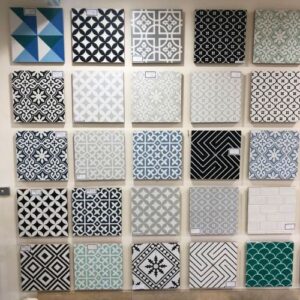
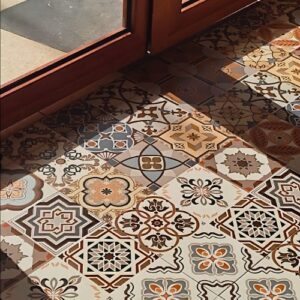
Ceramic tiles come from natural clay, minerals, and water that are shaped and fired in a kiln. They are available glazed, where a glass-like coating goes onto the surface before the final firing, or unglazed. The glaze provides colour, pattern, and finish. Water absorption sits between 3 and 7 percent, which is the highest of all tile types for home use.
Which rooms suit ceramic tiles best?
Ceramic tiles belong on walls. Kitchen walls and backsplashes, bathroom walls above the wet zone, utility rooms, and pooja rooms are all appropriate placements. They also work well as accent walls in living rooms where a decorative or hand-painted tile is the design focus. However, ceramic tiles should never go on kitchen floors, bathroom floors, or any floor area that takes regular foot traffic.
Pros and cons of ceramic tiles
The primary advantage of ceramic is affordability. It is the most budget-friendly tile type for home projects in India and offers the widest design variety. Because it is lighter than vitrified or porcelain, it is also easier to cut and install on site. On the downside, ceramic chips more easily than harder tiles, its higher water absorption makes it unsuitable for wet floors, and it does not hold up in outdoor conditions.
2. Vitrified Tiles
How are vitrified tiles different from ceramic?
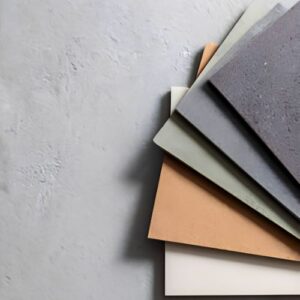
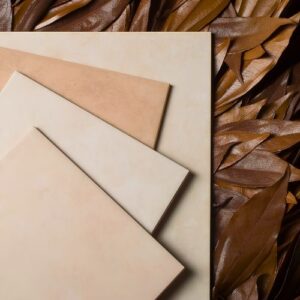
Vitrification fuses silica and clay under very high temperatures until the material becomes glass-like. The result is a tile with near-zero porosity and water absorption below 0.5 percent. Vitrified tiles come in four main variants: full-body (colour runs through the entire thickness so scratches do not show), double-charge (two pigment layers for deeper colour), glazed vitrified (surface glaze for shine and design detail), and nano vitrified (nano-particle coating for extra stain resistance).
Which rooms suit vitrified tiles best?
Vitrified tiles are the standard choice for living rooms, dining areas, and offices. They work well on any high-traffic floor that needs to stay clean with minimal effort. Full-body vitrified with a matte or anti-skid finish also works outdoors. Large-format vitrified in 800x800mm or 600x1200mm sizes are now the most popular floor tile in open-plan Indian homes because they reduce visible grout lines and make spaces feel larger.
Ceramic vs vitrified tiles: which should you choose?
The decision rule is simple. For walls and budget-driven projects, choose ceramic. For floors and anywhere longevity matters, choose vitrified. Vitrified costs more upfront, but its durability, low maintenance, and stain resistance make it the stronger long-term investment on any floor surface.
Pros and cons of vitrified tiles
Vitrified tiles are highly durable, stain and scratch resistant, and easy to maintain with regular mopping. Their low water absorption suits kitchens and even outdoor-rated applications. The limitations are that glossy vitrified becomes slippery when wet without an R10 rating, the tiles are heavier than ceramic, and grout lines stain over time without proper sealing during installation.
3. Porcelain Tiles
What are porcelain tiles?
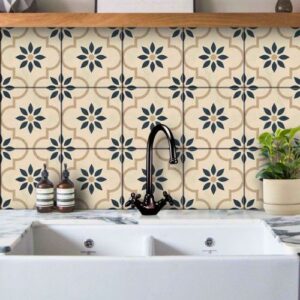
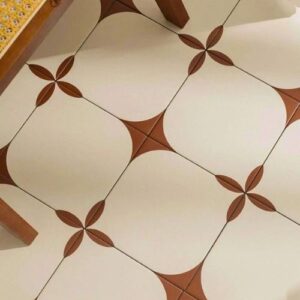
Porcelain is a denser, harder subset of ceramic, made from refined kaolin clay fired at higher temperatures. Water absorption is below 0.5 percent, the same as vitrified, but porcelain is denser and more impact-resistant than glazed vitrified. In Indian tile showrooms, the terms vitrified and porcelain are often used interchangeably. Technically, porcelain refers specifically to tiles meeting the ISO standard for water absorption below 0.5 percent at a defined density threshold.
Which rooms suit porcelain tiles best?
Porcelain works well in bathrooms, kitchens, outdoor areas, and zones with direct water exposure. Large-format porcelain slabs in 1200x2400mm sizes are increasingly common in premium living rooms and commercial lobbies, creating near-seamless floors with minimal grout lines. Porcelain is also the right choice wherever indoor and outdoor areas need to flow continuously, such as a living room that opens onto a covered balcony.
Pros and cons of porcelain tiles
Porcelain is frost and moisture resistant, extremely hard, and suitable for high-traffic use both indoors and outdoors. The trade-offs are weight, cost, and installation difficulty. Porcelain is heavier than ceramic and vitrified, needs a wet saw to cut cleanly, and large-format slabs require a perfectly level substrate plus professional installation to avoid cracking or edge lippage.
4. Natural Stone Tiles

What are natural stone tiles?
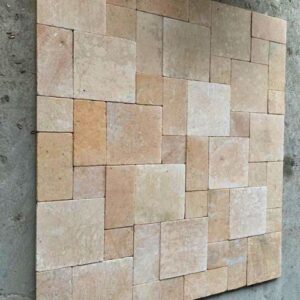
Natural stone tiles include marble, granite, slate, sandstone, and limestone. Unlike manufactured tiles, these are quarried from the earth, cut to size, and finished. Because no two natural stone tiles are identical, the variation in veining, colour, and texture is a defining character of the material, not a quality defect.
Which rooms suit natural stone tiles best?
Marble works well in living rooms, master bedrooms, and feature walls in premium Indian homes. Granite suits kitchen countertops and heavy-use floors because of its hardness. Slate and sandstone work outdoors, on garden paths, and in interiors with a rustic or earthy design direction. Natural stone is rarely the right choice for bathrooms unless the homeowner commits to a strict sealing and maintenance routine.
What Indian homeowners need to know about natural stone
Natural stone requires sealing after installation and resealing periodically, typically every one to two years. Unsealed marble in an Indian kitchen stains permanently from turmeric, oil, and acidic ingredients within weeks of use. Hard water in many Indian cities, including parts of Madhya Pradesh, leaves white mineral deposits on marble that are difficult to remove without professional polishing. Acid-based cleaning products, including many common Indian bathroom cleaners, etch and damage marble permanently. If your household cannot commit to this maintenance routine, large-format vitrified or wooden finish tiles deliver a premium look with far less upkeep.
Pros and cons of natural stone tiles
Natural stone offers an aesthetic that no manufactured tile can fully replicate and adds genuine resale value to a home. Costs are high across material, installation, and ongoing maintenance. Some natural stones, particularly polished marble and limestone, are slippery when wet and must never go on bathroom floors without a honed or textured finish.
5. Subway Tiles

What are subway tiles?
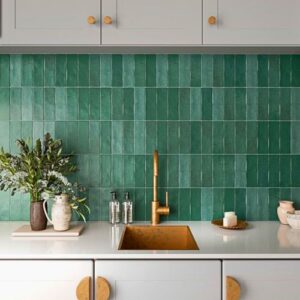
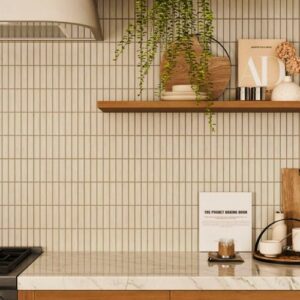
Subway tiles are rectangular tiles, classically in a 3×6 inch format, named after their original use in New York City subway stations in the early 1900s. Today they come in ceramic, porcelain, and glass, and in sizes from the original 75x150mm to elongated formats like 100x300mm. The defining characteristic is the rectangular format and clean flat surface, not the material.
Which rooms suit subway tiles best?
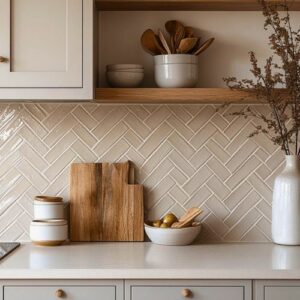
Kitchen backsplashes and bathroom walls are the most natural application. Subway tiles in a horizontal stack or herringbone pattern have become the dominant backsplash choice in modern Indian kitchens because they complement almost any cabinet colour without competing visually. They also work well as accent walls in living rooms and home offices, particularly in Scandinavian, industrial, and transitional interior styles.
Pros and cons of subway tiles
Subway tiles have a timeless quality that does not date quickly, which matters in a home where tiles stay for 15 to 20 years. The flat surface cleans easily, and the grout colour can transform the look entirely: white tiles with white grout reads as seamless, while white tiles with charcoal grout reads as graphic and modern. The limitation is that subway tiles are a wall and backsplash tile only. They are not a floor choice, and horizontal grout lines in a standard stack layout collect grease in kitchens and need regular scrubbing.
6. Mosaic Tiles
What are mosaic tiles?
Mosaic tiles are small tiles, typically under 50mm in any dimension, and come in glass, ceramic, natural stone, and metal. They are almost always sold on mesh-backed sheets for easier installation. The high ratio of grout to tile surface area is the defining maintenance consideration, and it should be the first thing to factor in before choosing mosaic for any surface.
Which rooms suit mosaic tiles best?
Mosaic tiles work best as accents rather than primary surfaces. Bathroom feature walls, shower niches, bath surrounds, and pool surrounds are all appropriate uses. A mosaic inlay strip running through a vitrified floor is a popular way to add visual interest without the full maintenance burden of an entirely mosaic surface. Using mosaic as the primary tile across a large bathroom wall or floor dramatically multiplies grout area and creates a cleaning commitment most homeowners underestimate.
Pros and cons of mosaic tiles
Mosaic tiles offer design flexibility and a luxury feel that larger tiles cannot achieve. Glass mosaic tiles reflect light in a way that makes small bathrooms feel brighter and more spacious. The trade-offs are significant: high grout surface area means frequent cleaning, professional installation is strongly recommended, and cost per square foot is among the highest of all tile types for home projects. For shower floors specifically, however, the small tile format is a practical advantage because additional grout lines provide more grip and the tiles conform naturally to the slope toward the drain.
7. Wooden Finish Tiles

What are wooden finish tiles?
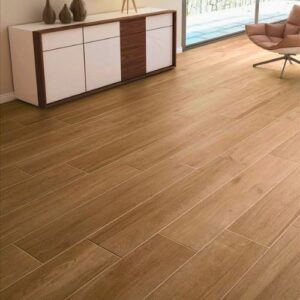
Wooden finish tiles are ceramic or porcelain tiles with a printed wood-grain texture on the surface. Digital printing technology has advanced to the point where the best wooden finish tiles are genuinely difficult to distinguish from real hardwood at a glance. They deliver the warmth and aesthetic of wood flooring with the durability and water resistance of tile.
Wooden finish tiles vs real wood flooring: which is better for Indian homes?
Real hardwood flooring is beautiful but poorly suited to most Indian homes. Wood expands and contracts with humidity changes, and India’s monsoon seasons create humidity swings that cause hardwood floors to warp, gap, and buckle within a few years without expensive climate control. Termite infestation is also a genuine risk in many Indian cities. In addition, real wood needs refinishing every few years and cannot handle repeated wet mopping. Wooden finish tiles have none of these problems. They do not warp, resist termites, handle wet mopping easily, and need no refinishing. According to the Bureau of Indian Standards, vitrified and porcelain tiles used as a base for wooden finish products must meet IS 15622 standards for water absorption and surface hardness, which makes them a reliable long-term flooring choice in Indian conditions. The only honest trade-off is that wood tiles feel slightly cooler underfoot than real timber, and the pattern repeat in cheaper tiles can be visible if not laid carefully.
Which rooms suit wooden finish tiles best?
Bedrooms, living rooms, and balconies are the natural home for wooden finish tiles. Longer plank formats, 200x1200mm and above, look significantly more realistic than shorter formats and are worth the slight price premium. Any space where warmth is the design goal but real wood is impractical due to humidity, maintenance burden, or budget is a strong candidate for this tile type.
Pros and cons of wooden finish tiles
Wooden finish tiles offer a realistic wood aesthetic with none of the maintenance burden of real timber. They are durable, water-resistant, and easy to clean. The limitations are that they feel cooler underfoot than real wood, pattern repeat in cheaper tiles is noticeable when laid, and they do not carry the same resale prestige as genuine hardwood in a premium property listing.
8. Anti-Skid Tiles

What are anti-skid tiles?
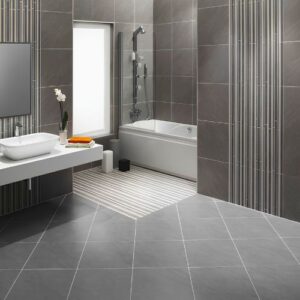
Anti-skid tiles have a textured or matte surface engineered to increase grip and reduce slip risk. The slip resistance is measured by the coefficient of friction (COF) and the R rating system. A higher COF value means greater grip. The R rating, which runs from R9 to R13, is the more commonly referenced standard in Indian tile specifications.
How to read anti-skid ratings: R9, R10, and R11 explained
R9 suits dry indoor areas where occasional water contact is possible. R10 is the minimum recommended rating for any tile on a bathroom floor, kitchen floor, or any surface that gets regularly wet. R11 covers outdoor areas, pool surrounds, staircases, and ramps where significant water exposure is expected. Most tile showrooms in India do not display the R rating on the tile itself. Always ask specifically for the technical data sheet. If a shop cannot provide one, treat the tile as unrated and do not use it on any wet floor.
Which rooms suit anti-skid tiles best?
Anti-skid tiles are mandatory on bathroom floors and strongly recommended for kitchen floors, balconies, outdoor areas, and staircases. In any home with elderly residents or young children, anti-skid flooring throughout wet areas is not a preference but a safety requirement. Most anti-skid tiles today come in finishes that look attractive and bear no resemblance to the rough, industrial-looking surfaces they once were.
Pros and cons of anti-skid tiles
The safety benefit outweighs every aesthetic trade-off in wet areas. The textured surface does trap dirt more readily than a smooth tile and needs slightly more effort to clean thoroughly. Glossy anti-skid variants are available, but the texture still means more surface area for soap scum and hard water deposits to accumulate in Indian bathroom conditions.
9. Glass Tiles
What are glass tiles?
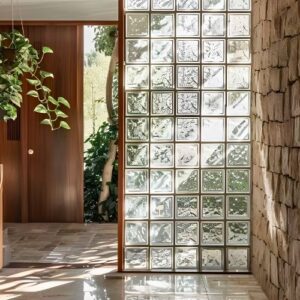
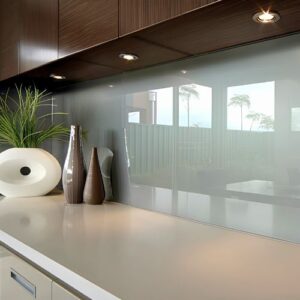
Glass tiles are made from tempered or recycled glass, available in transparent, frosted, and opaque finishes across a wide range of colours. The defining quality of glass tiles is reflectivity. They bounce light around a space in a way no other tile type can replicate, making them particularly effective in small or dark bathrooms where the goal is to create brightness and a sense of more space.
Which rooms suit glass tiles best?
Glass tiles work best as accent features rather than primary surfaces. Bathroom walls and shower enclosures, kitchen backsplashes, and decorative feature panels in living rooms are the most effective applications. A strip of glass mosaic in a shower niche or a full glass tile backsplash behind a kitchen hob creates a focal point that ceramic and vitrified tiles simply cannot match. If you are also planning interior glass features or shower enclosures as part of the same project, combining them with glass tiles creates a cohesive premium result throughout the space.
Pros and cons of glass tiles
Glass tiles have a reflective quality unique among tile types and clean easily on their smooth surface. They are moisture and stain resistant. The limitations are real, however: glass shows fingerprints and water spots more visibly than ceramic or porcelain, chips at edges under impact, requires skilled installation to avoid cracking, and must never go on floors where foot traffic and dropped objects create impact risk.
10. PVC and Vinyl Tiles

What are PVC or vinyl tiles?
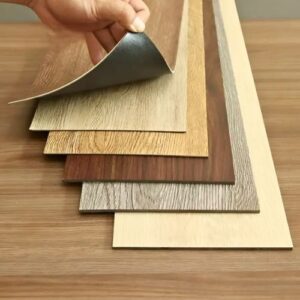
PVC and vinyl tiles are synthetic flooring products made from polyvinyl chloride, available as peel-and-stick sheets or click-lock planks. They are not traditional tiles in the fired-clay or stone sense but are increasingly marketed alongside tile types for home flooring in Indian shops. They represent the fastest and most affordable way to cover a floor surface without any demolition work.
Which rooms suit PVC tiles best?
PVC tiles are appropriate for offices, retail setups, temporary installations, and rental properties where floor changes happen frequently and budget is the primary constraint. They are not a suitable permanent flooring solution for residential interiors where quality and longevity are priorities. Indian summer temperatures can soften the adhesive in peel-and-stick PVC tiles, causing edges to lift over time in rooms without air conditioning.
Pros and cons of PVC tiles
The advantages are speed of installation, low cost, and the ability to replace individual tiles without disrupting the rest of the floor. The trade-offs are that PVC feels noticeably synthetic underfoot, is less durable than any ceramic or stone option, and does not age well in Indian heat and humidity over multiple years.
Quick Comparison: All 10 Types of Tiles for Home at a Glance
| Tile Type | Water Absorption | PEI Rating | Slip Resistance | Best Rooms | Maintenance | Cost (India) |
|---|---|---|---|---|---|---|
| Ceramic | 3 to 7% | 1 to 3 | Low to moderate | Walls, backsplash | Low | Low |
| Vitrified | Below 0.5% | 4 to 5 | Moderate (check R rating) | Living room, offices | Low | Medium |
| Porcelain | Below 0.5% | 4 to 5 | High | Kitchen, bathroom, outdoor | Low | Medium to high |
| Natural Stone | Varies by stone | 3 to 5 | Low unless honed | Living room, bedroom | High (sealing needed) | High |
| Subway | 3 to 7% (ceramic base) | 1 to 2 | Low | Kitchen wall, bathroom wall | Low to medium | Low to medium |
| Mosaic | Varies by material | 1 to 3 | Moderate (grout lines help) | Bathroom accent, shower | High (grout cleaning) | High |
| Wooden Finish | Below 0.5% (porcelain base) | 3 to 4 | Moderate | Bedroom, living room, balcony | Low | Medium |
| Anti-Skid | Varies by base material | 3 to 5 | High (R10 to R11) | Bathroom floor, balcony, outdoor | Medium | Low to medium |
| Glass | 0% (non-porous) | Wall only | Low (walls only) | Bathroom wall, kitchen backsplash | Medium (shows water spots) | High |
| PVC / Vinyl | Negligible | Not rated | Moderate | Offices, temporary spaces | Low | Very low |
Which Types of Tiles Work Best in Each Room
Which tiles are best for kitchen floors in India?
Anti-skid vitrified or porcelain with a minimum R10 rating are the best types of tiles for kitchen floors in India. Kitchen floors face grease, water, and heavy foot traffic every day. A glossy vitrified tile without an anti-skid rating is genuinely dangerous in a kitchen. Choose a matte or lightly textured finish. Large format tiles reduce grout lines and make the floor easier to mop. Avoid ceramic on kitchen floors regardless of any price advantage it may offer.
Which tiles are best for kitchen walls and backsplash?
Ceramic, subway, or glass tiles are the right types of tiles for kitchen walls and backsplashes. The backsplash is the most design-forward surface in most Indian kitchens. Subway tiles in a horizontal stack or herringbone layout are currently the dominant choice in modern Indian kitchens because they complement virtually any cabinet colour. Glass tiles behind the cooking hob create a striking focal point and wipe clean very easily. If you are planning a modular kitchen, select the backsplash tile alongside the cabinet design rather than as an afterthought.
Which tiles are best for bathroom floors in India?
Anti-skid ceramic or porcelain with a minimum R10 rating are the safest types of tiles for bathroom floors. Small-format anti-skid tiles, including mosaic tiles, provide better grip than large-format tiles in shower zones because the additional grout lines increase friction. For a wet room or walk-in shower, mosaic tiles on the floor sloping toward the drain are both practical and visually premium.
Which tiles are best for bathroom walls?
Ceramic suits budget bathrooms. Large-format porcelain or subway tiles work well in mid to premium bathrooms. Glass tiles and mosaics are ideal for feature walls, shower niches, and accent panels. Combining large-format porcelain wall tiles with a glass mosaic niche and a frameless glass shower enclosure is one of the cleanest, most premium bathroom combinations in modern Indian interior design.
Which tiles are best for living rooms?
Large-format vitrified in 800x800mm or 600x1200mm creates a seamless, easy-to-maintain floor. Wooden finish tiles add warmth and a less formal feel. Always choose matte finish over glossy in living rooms. Glossy vitrified shows every footprint, dust particle, and cleaning streak and demands constant mopping to stay presentable. The larger the tile format, the fewer grout lines and the more open the room feels.
Which tiles are best for bedrooms?
Wooden finish tiles or large-format vitrified with a matte or satin finish are the best types of tiles for bedrooms. Warmth matters more in a bedroom than in any other room. Avoid glossy tiles in bedrooms entirely. A matte wooden finish tile in a 200x1200mm plank format creates a warmth that standard vitrified simply cannot replicate in a master bedroom.
Which tiles are best for balconies and outdoor areas in India?
Anti-skid porcelain with an R11 rating handles outdoor safety. Full-body vitrified with an outdoor-rated finish delivers long-term durability. Natural slate suits garden paths and rustic outdoor spaces. Outdoor tiles must handle direct sun, rain, and temperature extremes. Any tile with a surface glaze that is not rated for outdoor use will craze and peel within one to two monsoon seasons.
How to Read a Tile Before You Buy It
Shade variation, lot numbers, and tile grades explained
The shade variation code tells you how consistent the tiles will look when laid together. V1 means uniform, with very little variation between individual tiles. V4 means high natural variation, where each tile looks noticeably different. A V4 tile in a small bathroom can look visually chaotic. A V1 tile in a large living room can look artificially flat. Neither is wrong, but each needs the right room and layout to work well.
The lot number printed on the tile box identifies the manufacturing batch. Colour can vary meaningfully between lots even when the product name is identical. Consequently, every tile in a project must come from the same lot. Always buy 10 to 15 percent more than your floor area calculation at the same time. A room measuring 100 square feet therefore needs 110 to 115 square feet of tiles purchased together from one lot.
First quality versus seconds is a distinction that costs Indian homeowners money every year. Grade 1 tiles meet the full manufacturer specification for size, flatness, colour accuracy, and surface quality. Grade 2 and Grade 3 tiles are seconds that did not pass quality control. They are sold at a discount and are sometimes mixed into deliveries without clear labelling. Always ask explicitly whether the tiles are first-quality Grade 1 before confirming any purchase.
A quick slip resistance test you can do at the showroom
To check slip resistance without a technical data sheet, pour a small amount of water on the tile surface and step onto it with your full weight. A genuinely anti-skid tile holds securely. A smooth tile without an adequate R rating feels unstable immediately. This basic test takes ten seconds and can prevent a serious fall at home.
Common Tile Mistakes in Indian Homes
Using glossy vitrified tiles on bathroom floors is the most common and most dangerous tile mistake in Indian homes. A beautiful glossy tile becomes a slip hazard the moment it gets wet. As a result, the R rating must be checked for every bathroom floor tile without exception.
Buying tiles from multiple batches creates a visible patchwork floor. Therefore, always check lot numbers and buy all required tiles at once with 10 to 15 per cent extra included.
Choosing tiles that are too small for large rooms makes the space feel busy and increases total grout surface area, which means more cleaning and more staining over time. For example, a 300x300mm tile in a 400 square foot living room looks dated and cluttered. Use 600x600mm or larger in open spaces.
Skipping the sealing of natural stone or mosaic grout after installation is a maintenance error that shows up within weeks. Unsealed marble stains permanently from common Indian cooking ingredients. Unsealed bathroom grout turns grey and black within months in India’s humidity.
Treating grout as an afterthought is a design error that is easy to avoid. Grout colour, joint width, and type change the final look of a tile installation as dramatically as the tile itself. A 2mm grout joint reads as seamless. A 10mm joint becomes a visible grid. White grout with white tiles looks clean, but stains quickly in kitchens. Epoxy grout costs more but resists staining and is worth it in any high-use wet area.
Conclusion
No single type of tile is right for every room. The right choice in each space comes from matching the tile’s technical properties, specifically water absorption, PEI rating, slip resistance, and maintenance requirements, to what that room actually demands. A living room needs visual impact and easy upkeep. A bathroom floor needs safety above everything else. A kitchen backsplash offers the most freedom for design expression. A bedroom needs warmth.
Getting this matching right is what separates an interior that looks good on completion from one that still looks good and functions safely five and ten years later. If you are planning a full interior project and want guidance on tile selection, material finishes, and end-to-end execution, Lumora works with homeowners and commercial clients across Indore to deliver spaces that are as good as they look.
Frequently Asked Questions
Which type of tile is best for a house in India?
There is no single best type of tile for an entire house. Vitrified tiles with a matte finish are the most practical choice for living rooms and high-traffic areas. Anti-skid porcelain or ceramic with an R10 rating is essential for bathroom and kitchen floors. Ceramic tiles suit walls and backsplashes well. Wooden finish tiles work best in bedrooms. Ultimately, the right tile depends on the specific demands of each room.
What is the difference between ceramic and vitrified tiles?
Ceramic tiles are made from clay fired at lower temperatures and have a water absorption rate of 3 to 7 percent. Vitrified tiles, by contrast, are fired at higher temperatures until the material becomes glass-like, with water absorption below 0.5 percent. As a result, vitrified tiles are significantly harder, more durable, and more stain-resistant than ceramic. Ceramic is best for walls and budget applications. Vitrified is the right choice for any floor surface.
Are wooden finish tiles a good alternative to real wood flooring in Indian homes?
Yes, for most Indian homes, wooden finish tiles are a more practical choice than real hardwood. Real wood warps and gaps with India’s humidity fluctuations, is vulnerable to termite damage, and needs refinishing every few years. Wooden finish tiles on a porcelain base handle moisture, heat, and heavy cleaning without any of these problems. The only trade-off is that they feel slightly cooler underfoot than real timber.
Which tiles are safest for bathroom floors?
Anti-skid ceramic or porcelain tiles with a minimum R10 rating are the safest types of tiles for bathroom floors. The R rating measures slip resistance: R9 is for dry areas, R10 is the minimum for wet bathroom floors, and R11 is for outdoor and pool areas. Never use a glossy tile on a bathroom floor, regardless of how it looks in the showroom.
What do anti-skid ratings R9, R10, and R11 mean?
The R rating system measures a tile’s slip resistance under wet conditions. R9 is safe for dry indoor areas. R10 is the minimum recommended for bathroom floors, kitchen floors, and any regularly wet surface. R11 covers outdoor areas, pool surrounds, and staircases. Always ask for the technical data sheet when buying floor tiles for wet areas and confirm the R rating before purchasing.
How do I choose between matte and glossy tiles?
Glossy tiles reflect more light and make spaces feel larger and brighter. However, they show footprints, dust, and water spots more visibly and need more frequent cleaning. Matte tiles are more forgiving in daily use, hide minor scratches, and are safer in wet areas. For living rooms and bedrooms, matte is the more practical long-term choice. For feature walls, bathroom walls, and backsplashes where aesthetic impact takes priority, glossy or satin finishes work well.
How many extra tiles should I buy for a room?
Always buy 10 to 15 percent more than your measured floor or wall area. This accounts for cuts at edges and corners, breakage during installation, and future replacements. More importantly, ensure all tiles, including the extra quantity, come from the same lot number. If you need to buy more tiles later from a different batch, the colour variation will be visible even when the product name is identical.

Ankit Singh is a content writer and interior solutions specialist at Lumora, based in Indore. He writes about glass solutions, window systems, interior design, and architectural materials with a focus on helping homeowners and professionals make informed decisions. With hands-on exposure to residential and commercial glass projects across Indore, Ankit covers topics including toughened glass, UPVC windows, aluminium systems, glass railings, partitions, and modern interior design trends. His writing combines practical field knowledge with clear, accessible explanations for readers at every stage of their project.